
Project Partners and Participating Organizations
The partnership combines research institutions and innovative schools across four education systems — so findings reflect both policy frameworks and everyday school practice.
Project Partners and Participating Organizations
The partnership combines research institutions and innovative schools across four education systems — so findings reflect both policy frameworks and everyday school practice.
Project Partners and Participating Organizations
The partnership combines research institutions and innovative schools across four education systems — so findings reflect both policy frameworks and everyday school practice.
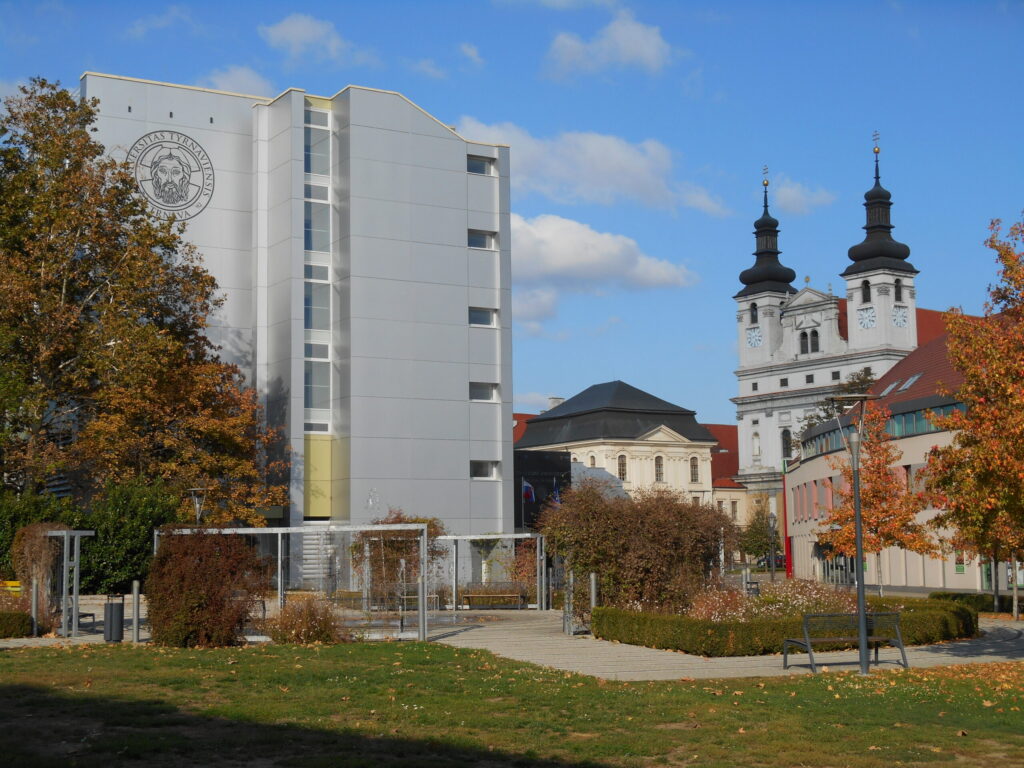
Trnava University in Trnava (Slovakia)
Historical Trnava University (TU) represents one of the oldest universities in Slovakia. Trnava University was established by Cardinal Peter Pázmaň in 1635 and consisted of four faculties (colleges) of: theology, arts, law and medicine.
The university became well-known also thanks to an observatory founded by Maximilián Hell, a university library, gardens and a theatre. It existed for 142 years and in 1777, it was moved to Buda. The National Council of the Slovak Republic re-established Trnava University in 1992. Trnava University professes principles of the Great Charter of European Universities protecting complete independence of universities from the political and economic power and their freedom to perform research and education.
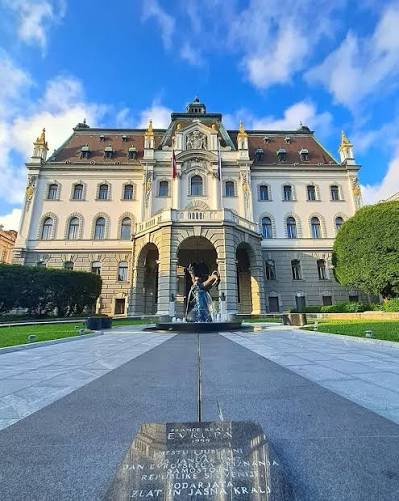
University of Ljubljana (Slovenia)
The University of Ljubljana is Slovenia’s oldest and largest higher education institution. Its Faculty of Education trains teachers from pre-school through primary and secondary levels and hosts one of the country’s strongest research communities in educational sciences.
With more than 40,000 students and around 5,600 staff across 23 faculties and three art academies, the University of Ljubljana is ranked among the top 500 universities worldwide. The Faculty of Education brings together more than 130 education specialists working across educational sciences, natural sciences, social sciences and the humanities.
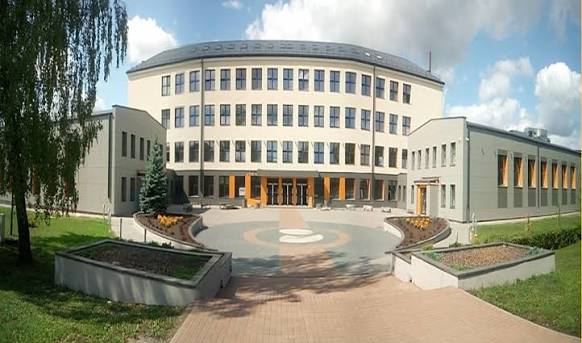
President V. Adamkus Grammar School (Lithuania)
President V. Adamkus Grammar School is a forward-looking Lithuanian school with more than 1,000 pupils, delivering pre-primary, primary and secondary programmes. It combines strong general education with distinctive programmes in ecology and environmental technologies.
Located in Kaunas, the school has seen steady growth in pupil numbers — currently 1,008 pupils following various curricula — reflecting strong academic results, distinctive programmes in ecology and environmental technologies, and pupils’ confidence in the school. It employs 72 teachers and delivers pre-primary, primary and secondary education, as well as non-formal programmes with an environmental focus.
Väätsa Primary School (Estonia)
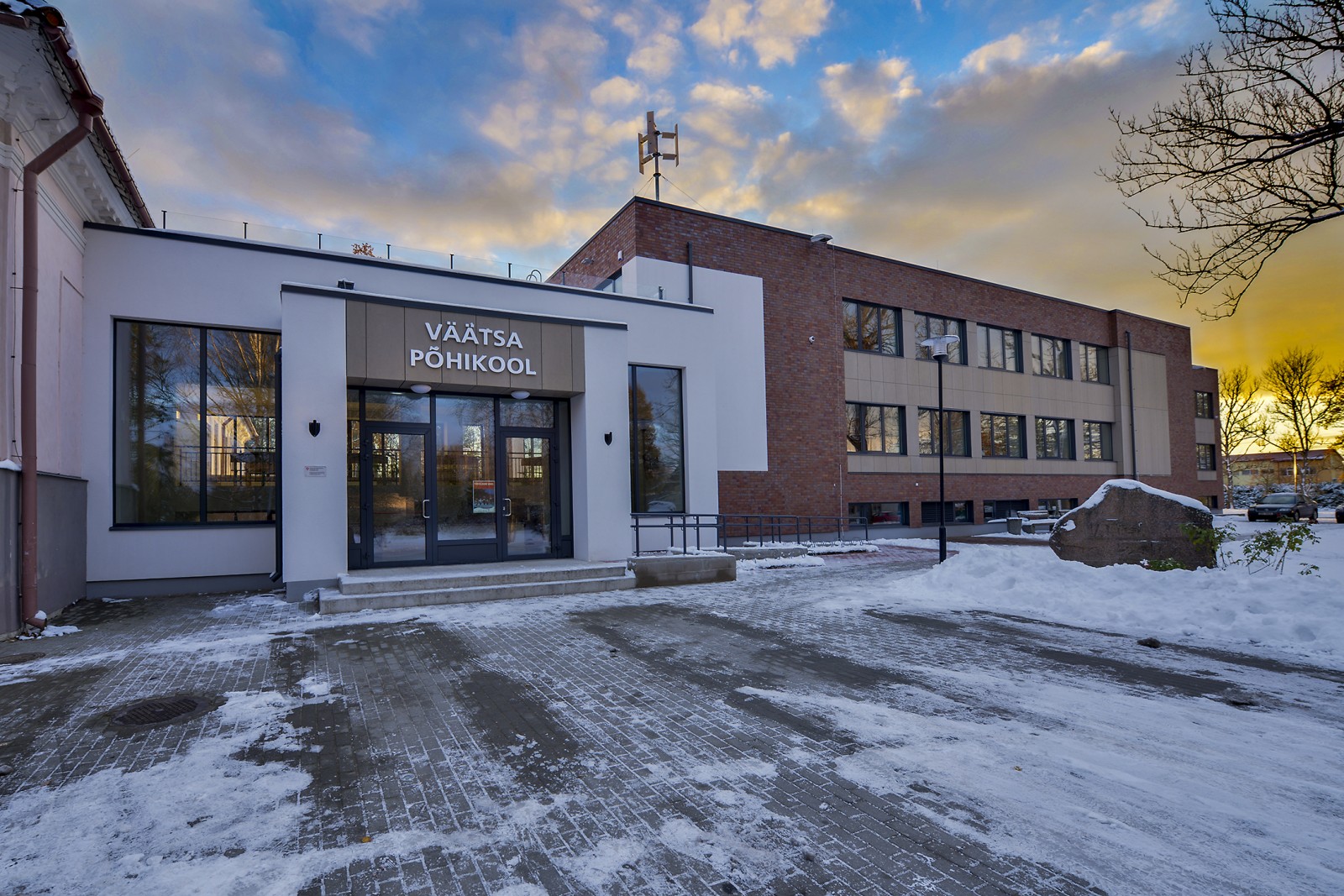
Väätsa Primary School is a modern primary school in central Estonia, educating more than 150 pupils in a renovated, energy-efficient learning environment. The school is known for creative teaching, a supportive community, and a wide range of extracurricular activities.
The school is located in the village of Väätsa in Türi municipality, Järva County, central Estonia. Its building combines a manor house dating from 1800 (renovated in 2011) with an annexe from 1977 (thoroughly renovated in 2016). The grounds include a manor park, sports ground and sports hall with a gym. The building has been renovated into an energy-efficient facility that can be monitored and used for teaching purposes.
Church Primary School – Narnia (Slovakia)
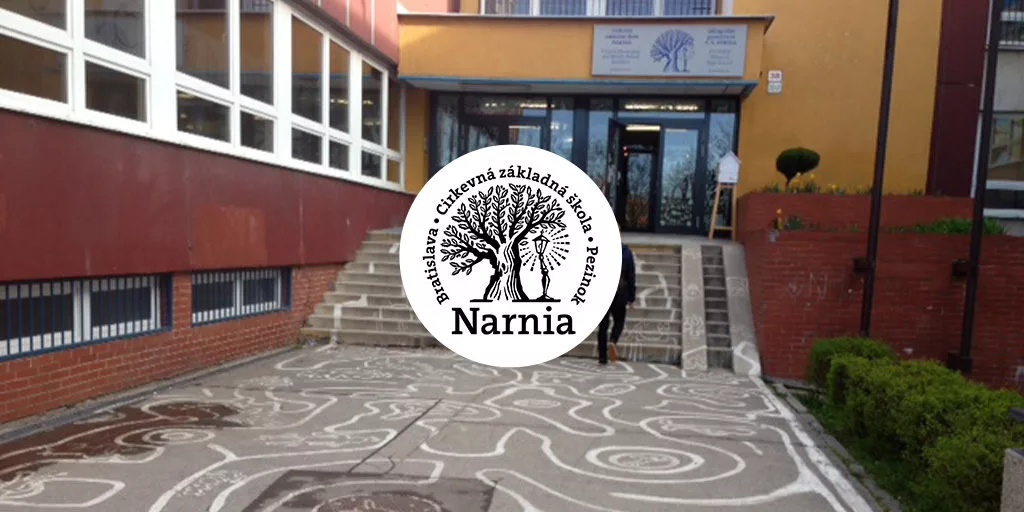
Church Primary School – Narnia (CZS Narnia) is an innovative primary school in Bratislava with around 850 pupils across two sites and a staff of 120, mostly teachers. Project-based learning is built into everyday teaching — and a dedicated programme supports pupils making the move to secondary education.
CZŠ Narnia provides primary education in accordance with the curriculum approved by the Ministry of Education of the Slovak Republic. Short-term and long-term projects form an integral part of the school’s educational process. Through project work, pupils learn to search for, sort and process information — skills that foster independence, critical thinking and creativity. While working on project tasks, children use modern information technologies, present their own work, link new information to knowledge they have already acquired, and identify connections between topics.
Centre for Educational Analysis (Slovakia)
The Centre for Educational Analysis (CVA) is Slovakia’s first independent think-tank focused on education. It produces data-driven analyses, monitors education policy, and contributes evidence-based recommendations aimed at improving the quality and fairness of education.
CVA focuses on producing analyses and strategic documents, conducting research and experiments, monitoring and evaluating public policies, formulating recommendations to improve public policy, organising professional and outreach events, and shaping public debate on education. Its main objective is to contribute, on the basis of data and research, to improving the quality of education and promoting equal opportunities — and to act as an independent ‘watchdog’ monitoring how education policy is implemented. Four analysts with many years of experience in education policy, practice and social equality work actively with the organisation.
Trnava University in Trnava (Slovakia)
Historical Trnava University (TU) represents one of the oldest universities in Slovakia. Trnava University was established by Cardinal Peter Pázmaň in 1635 and consisted of four faculties (colleges) of: theology, arts, law and medicine.
The university became well-known also thanks to an observatory founded by Maximilián Hell, a university library, gardens and a theatre. It existed for 142 years and in 1777, it was moved to Buda. The National Council of the Slovak Republic re-established Trnava University in 1992. Trnava University professes principles of the Great Charter of European Universities protecting complete independence of universities from the political and economic power and their freedom to perform research and education.
University of Ljubljana (Slovenia)
The University of Ljubljana is Slovenia’s oldest and largest higher education institution. Its Faculty of Education trains teachers from pre-school through primary and secondary levels and hosts one of the country’s strongest research communities in educational sciences.
With more than 40,000 students and around 5,600 staff across 23 faculties and three art academies, the University of Ljubljana is ranked among the top 500 universities worldwide. The Faculty of Education brings together more than 130 education specialists working across educational sciences, natural sciences, social sciences and the humanities.
President V. Adamkus Grammar School (Lithuania)
President V. Adamkus Grammar School is a forward-looking Lithuanian school with more than 1,000 pupils, delivering pre-primary, primary and secondary programmes. It combines strong general education with distinctive programmes in ecology and environmental technologies.
Located in Kaunas, the school has seen steady growth in pupil numbers — currently 1,008 pupils following various curricula — reflecting strong academic results, distinctive programmes in ecology and environmental technologies, and pupils’ confidence in the school. It employs 72 teachers and delivers pre-primary, primary and secondary education, as well as non-formal programmes with an environmental focus.
Väätsa Primary School (Estonia)
Väätsa Primary School is a modern primary school in central Estonia, educating more than 150 pupils in a renovated, energy-efficient learning environment. The school is known for creative teaching, a supportive community, and a wide range of extracurricular activities.
The school is located in the village of Väätsa in Türi municipality, Järva County, central Estonia. Its building combines a manor house dating from 1800 (renovated in 2011) with an annexe from 1977 (thoroughly renovated in 2016). The grounds include a manor park, sports ground and sports hall with a gym. The building has been renovated into an energy-efficient facility that can be monitored and used for teaching purposes.
Church Primary School – Narnia (Slovakia)
Church Primary School – Narnia (CZS Narnia) is an innovative primary school in Bratislava with around 850 pupils across two sites and a staff of 120, mostly teachers. Project-based learning is built into everyday teaching — and a dedicated programme supports pupils making the move to secondary education.
CZŠ Narnia provides primary education in accordance with the curriculum approved by the Ministry of Education of the Slovak Republic. Short-term and long-term projects form an integral part of the school’s educational process. Through project work, pupils learn to search for, sort and process information — skills that foster independence, critical thinking and creativity. While working on project tasks, children use modern information technologies, present their own work, link new information to knowledge they have already acquired, and identify connections between topics.
Centre for Educational Analysis (Slovakia)
The Centre for Educational Analysis (CVA) is Slovakia’s first independent think-tank focused on education. It produces data-driven analyses, monitors education policy, and contributes evidence-based recommendations aimed at improving the quality and fairness of education.
CVA focuses on producing analyses and strategic documents, conducting research and experiments, monitoring and evaluating public policies, formulating recommendations to improve public policy, organising professional and outreach events, and shaping public debate on education. Its main objective is to contribute, on the basis of data and research, to improving the quality of education and promoting equal opportunities — and to act as an independent ‘watchdog’ monitoring how education policy is implemented. Four analysts with many years of experience in education policy, practice and social equality work actively with the organisation.
Trnava University in Trnava (Slovakia)
Historical Trnava University (TU) represents one of the oldest universities in Slovakia. Trnava University was established by Cardinal Peter Pázmaň in 1635 and consisted of four faculties (colleges) of: theology, arts, law and medicine.
The university became well-known also thanks to an observatory founded by Maximilián Hell, a university library, gardens and a theatre. It existed for 142 years and in 1777, it was moved to Buda. The National Council of the Slovak Republic re-established Trnava University in 1992. Trnava University professes principles of the Great Charter of European Universities protecting complete independence of universities from the political and economic power and their freedom to perform research and education.
University of Ljubljana (Slovenia)
The University of Ljubljana is Slovenia’s oldest and largest higher education institution. Its Faculty of Education trains teachers from pre-school through primary and secondary levels and hosts one of the country’s strongest research communities in educational sciences.
With more than 40,000 students and around 5,600 staff across 23 faculties and three art academies, the University of Ljubljana is ranked among the top 500 universities worldwide. The Faculty of Education brings together more than 130 education specialists working across educational sciences, natural sciences, social sciences and the humanities.
Väätsa Primary School (Estonia)
Väätsa Primary School is a modern primary school in central Estonia, educating more than 150 pupils in a renovated, energy-efficient learning environment. The school is known for creative teaching, a supportive community, and a wide range of extracurricular activities.
The school is located in the village of Väätsa in Türi municipality, Järva County, central Estonia. Its building combines a manor house dating from 1800 (renovated in 2011) with an annexe from 1977 (thoroughly renovated in 2016). The grounds include a manor park, sports ground and sports hall with a gym. The building has been renovated into an energy-efficient facility that can be monitored and used for teaching purposes.
President V. Adamkus Grammar School (Lithuania)
President V. Adamkus Grammar School is a forward-looking Lithuanian school with more than 1,000 pupils, delivering pre-primary, primary and secondary programmes. It combines strong general education with distinctive programmes in ecology and environmental technologies.
Located in Kaunas, the school has seen steady growth in pupil numbers — currently 1,008 pupils following various curricula — reflecting strong academic results, distinctive programmes in ecology and environmental technologies, and pupils’ confidence in the school. It employs 72 teachers and delivers pre-primary, primary and secondary education, as well as non-formal programmes with an environmental focus.
Church Primary School – Narnia (Slovakia)
Church Primary School – Narnia (CZS Narnia) is an innovative primary school in Bratislava with around 850 pupils across two sites and a staff of 120, mostly teachers. Project-based learning is built into everyday teaching — and a dedicated programme supports pupils making the move to secondary education.
CZŠ Narnia provides primary education in accordance with the curriculum approved by the Ministry of Education of the Slovak Republic. Short-term and long-term projects form an integral part of the school’s educational process. Through project work, pupils learn to search for, sort and process information — skills that foster independence, critical thinking and creativity. While working on project tasks, children use modern information technologies, present their own work, link new information to knowledge they have already acquired, and identify connections between topics.
Centre for Educational Analysis (Slovakia)
The Centre for Educational Analysis (CVA) is Slovakia’s first independent think-tank focused on education. It produces data-driven analyses, monitors education policy, and contributes evidence-based recommendations aimed at improving the quality and fairness of education.
CVA focuses on producing analyses and strategic documents, conducting research and experiments, monitoring and evaluating public policies, formulating recommendations to improve public policy, organising professional and outreach events, and shaping public debate on education. Its main objective is to contribute, on the basis of data and research, to improving the quality of education and promoting equal opportunities — and to act as an independent ‘watchdog’ monitoring how education policy is implemented. Four analysts with many years of experience in education policy, practice and social equality work actively with the organisation.