

Refining Boundaries in Education: From Transition to Continuity
Building seamless educational pathways across pre-primary, primary, and secondary education in Europe. We bridge systemic gaps to support student well-being, improve learning outcomes, and prevent early school leaving.
Refining Boundaries in Education: From Transition to Continuity
Building seamless educational pathways across pre-primary, primary, and secondary education in Europe. We bridge systemic gaps to support student well-being, improve learning outcomes, and prevent early school leaving.
Refining Boundaries in Education: From Transition to Continuity
Building seamless educational pathways across pre-primary, primary, and secondary education in Europe. We bridge systemic gaps to support student well-being, improve learning outcomes, and prevent early school leaving.
Why Educational Continuity Matters
In many European education systems, pre-primary, primary and secondary stages are strictly separated. When children move from one stage to the next, teaching methods, social environments and performance expectations can change abruptly.
These sharp boundaries affect learning outcomes, mental health and social well-being. Children from disadvantaged backgrounds are most at risk — especially when the transition from primary to secondary education is poorly supported and becomes a pathway to early school leaving.
How well children cope with these transitions shapes their future learning, their social and emotional well-being, and their chances of staying engaged in education. Poorly supported transitions are a known risk factor for stress, declining motivation, educational disadvantage, and early school leaving — especially for children who lack support at home as well as at school.
Smoothly to School brings together universities, schools and education analysts from Slovakia, Slovenia, Estonia and Lithuania to strengthen continuity between educational stages — through research, policy recommendations and practical tools for schools.
Why Educational Continuity Matters
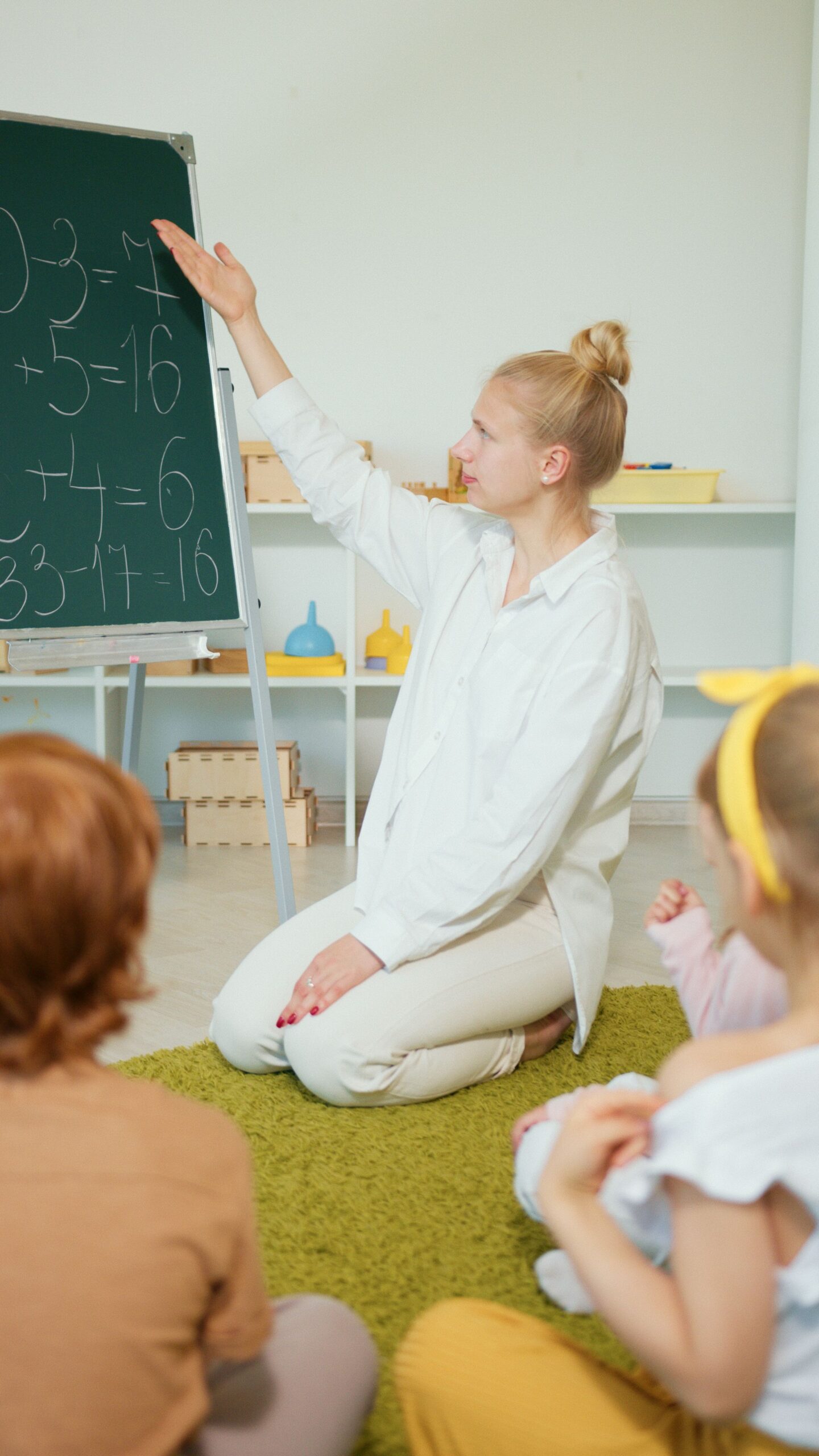
In many European education systems, pre-primary, primary and secondary stages are strictly separated. When children move from one stage to the next, teaching methods, social environments and performance expectations can change abruptly.
These sharp boundaries affect learning outcomes, mental health and social well-being. Children from disadvantaged backgrounds are most at risk — especially when the transition from primary to secondary education is poorly supported and becomes a pathway to early school leaving.
Smoothly to School brings together universities, schools and education analysts from Slovakia, Slovenia, Estonia and Lithuania to strengthen continuity between educational stages — through research, policy recommendations and practical tools for schools.
Why Educational Continuity Matters
In many European education systems, pre-primary, primary and secondary stages are strictly separated. When children move from one stage to the next, teaching methods, social environments and performance expectations can change abruptly.
These sharp boundaries affect learning outcomes, mental health and social well-being. Children from disadvantaged backgrounds are most at risk — especially when the transition from primary to secondary education is poorly supported and becomes a pathway to early school leaving.
Smoothly to School brings together universities, schools and education analysts from Slovakia, Slovenia, Estonia and Lithuania to strengthen continuity between educational stages — through research, policy recommendations and practical tools for schools.
From research to practice: supporting smoother transitions
Transitional periods reshape a child’s educational journey.
The curriculum becomes more demanding, school organisation changes, and children often move to a new school. How they cope shapes their well-being and future learning.
This Erasmus+ partnership analyses how education systems and school practices enable or hinder support during transition. It then turns those findings into recommendations for policymakers and ready-to-use tools for school
From research to practice: supporting smoother transitions
Transitional periods reshape a child’s educational journey: the curriculum becomes more demanding, school organisation changes, and children often move to a new school. How they cope shapes their well-being and future learning.
This Erasmus+ partnership analyses how education systems and school practices enable or hinder support during transition. It then turns those findings into recommendations for policymakers and ready-to-use tools for schools.
From research to practice: supporting smoother transitions
Transitional periods reshape a child’s educational journey: the curriculum becomes more demanding, school organisation changes, and children often move to a new school. How they cope shapes their well-being and future learning.
This Erasmus+ partnership analyses how education systems and school practices enable or hinder support during transition. It then turns those findings into recommendations for policymakers and ready-to-use tools for schools.
1
Analyse and compare how education systems and school practices shape children’s transitions
1
Analyse and compare how education systems and school practices shape children’s transitions